Tuesday, January 16, 2024

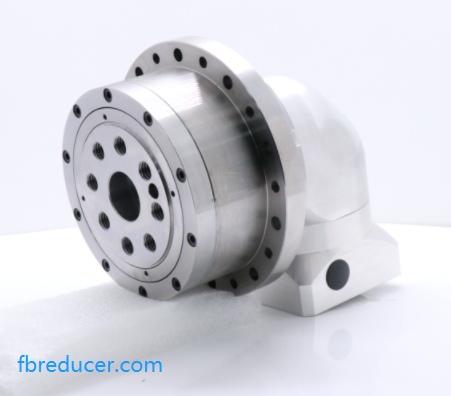
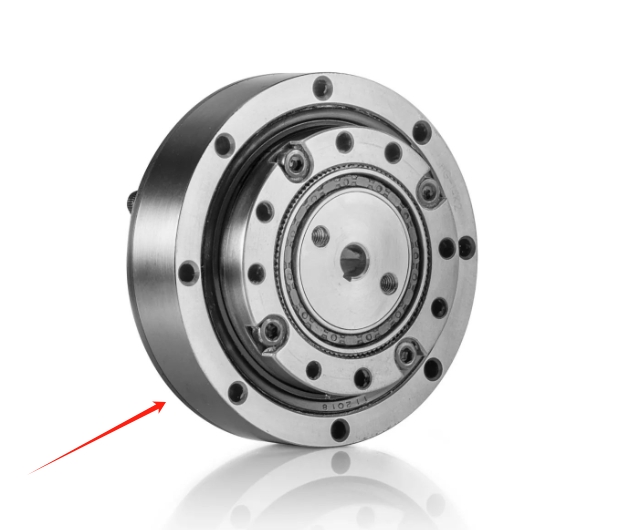
Demand for reducer in automatic industrial production line


The demand for reducer in automatic industrial production lines has been steadily increasing due to its critical role in enhancing operational efficiency and productivity. Reducers are mechanical devices that control the speed and torque of electric motors, allowing companies to optimize their manufacturing processes. As a college student, understanding the significance of reducer within this context is essential for comprehending the complexities of modern industrial systems.

First and foremost, reducers play a pivotal role in regulating the speed of electric motors in automatic industrial production lines. By decreasing the rotational speed, reducers allow for the precise control of machinery, ensuring that each component operates at its optimal speed. This is particularly crucial for manufacturing processes that involve intricate tasks or require higher precision. With the ability to regulate the speed of motors, companies can improve production accuracy, reduce errors, and ultimately enhance the final product quality.

Secondly, reducers enable the efficient transmission of torque from the electric motor to the load. Torque refers to the rotational force exerted by the motor, and its effective transmission is essential for smooth and uninterrupted operations in automatic industrial production lines. By incorporating reducers into the system, manufacturers can amplify or reduce the torque as necessary. These devices help prevent motor overload and unnecessary wear, increasing the lifespan of both the motor and the overall machinery.

Furthermore, the demand for reducers is driven by the need for flexible manufacturing processes. In many industries, the production of multiple product variants may be required to cater to diverse customer preferences. Reducers allow manufacturers to easily adapt to changes in production requirements by offering variable speed options. This flexibility helps reduce downtime and the need for extensive reconfiguration, resulting in increased production efficiency and reduced costs.

Another factor contributing to the demand for reducers in automatic industrial production lines is the pursuit of energy efficiency. As concerns about sustainability and environmental impact grow, businesses are actively seeking ways to reduce energy consumption in their operations. By employing reducers, companies can optimize motor speed and torque, thereby reducing the amount of energy required for a given task. This energy-saving feature makes reducers an attractive choice for manufacturers looking to enhance their eco-friendly practices and decrease operational expenses.

Lastly, technological advancements and innovations in automatic industrial production lines have increased the demand for high-performance reducers. As automation and robotics continue to evolve, the demand for more sophisticated and reliable machinery components has grown. The ever-increasing complexity of industrial systems necessitates reducers that can handle higher loads, operate with enhanced precision, and withstand harsh operating conditions. Consequently, manufacturers are investing in advanced reducers that can meet these demanding requirements, driving the market demand for these essential devices.

In conclusion, the demand for reducers in automatic industrial production lines can be attributed to their vital role in improving operational efficiency, enhancing product quality, and increasing energy efficiency. These mechanical devices regulate motor speed and torque, facilitating the precise control and transmission of power required in modern manufacturing processes. Additionally, their ability to provide flexibility and adaptability to changing production needs further contribute to their popularity. As technologies continue to progress and industrial systems become more intricate, the demand for high-performance reducers is expected to grow, ensuring their continued prominence in the manufacturing sector.

Application of Harmonic Reducers in Industrial Automation

 The application of harmonic reducers in industrial automation has revolutionized the manufacturing industry. Harmonic reducers are gearboxes that use a unique design to minimize or eliminate mechanical stress and allow for precise motion control. These reducers have found widespread use in industrial automation systems, aiding in the improvement of efficiency, accuracy, and overall productivity. This essay will explore the various applications of harmonic reducers in industrial automation, discussing their benefits and explaining their significance in today's manufacturing world.

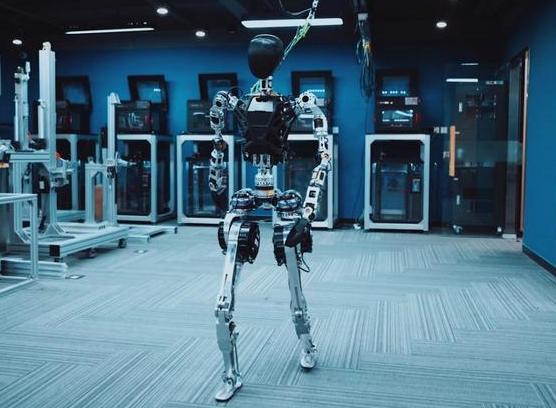
One major application of harmonic reducers in industrial automation is in robotics. Robots play an increasingly vital role in manufacturing processes, and precise motion control is essential for their smooth functioning. Harmonic reducers provide the necessary precision and accuracy required for robots to perform complex tasks seamlessly. By reducing backlash and improving positioning accuracy, these reducers ensure that robots can carry out their functions with minimal errors. This translates into increased efficiency, improved production rates, and reduced downtime, leading to substantial cost savings for industries that rely on robotic automation.


Another area where harmonic reducers find immense application is in CNC (Computer Numerical Control) machines. CNC machines are used in various industries for precision machining, cutting, and shaping of materials. The use of harmonic reducers in these machines allows for precise control of rotational and linear axes, resulting in higher accuracy and precision in the manufactured parts. With harmonic reducers, CNC machines can minimize vibrations and achieve greater stability, leading to smoother and more accurate cutting operations. This level of precision improves the quality of the final products and reduces waste, thereby increasing overall productivity.


Harmonic reducers also play a significant role in conveyor systems employed in industrial automation. Conveyor systems are widely used in assembly lines for transporting materials and parts from one location to another. By implementing harmonic reducers in conveyor systems, manufacturers can achieve smooth, controlled motion, ensuring that materials are transported without any jarring movements. The elimination of jerks or sudden stops reduces wear and tear on the conveyor belts, increasing their lifespan and minimizing maintenance requirements. Furthermore, harmonic reducers can assist in acceleration and deceleration tasks, allowing precise control over the speed and movement of the conveyor system and ensuring seamless workflow.


In addition to robotics, CNC machines, and conveyor systems, harmonic reducers find applications in various other industrial automation processes. For instance, they can be used in printing machines to ensure precise paper feeding and alignment. They are also instrumental in packaging machines, where precise movements are required for filling containers, sealing packages, and labeling products. By offering high torque densities and excellent positional accuracy, harmonic reducers enable superior control and efficiency across a wide range of industrial automation applications.


In conclusion, harmonic reducers have become indispensable in the field of industrial automation. Their ability to provide precise motion control, reduced backlash, and improved accuracy has significantly enhanced the efficiency and productivity of manufacturing processes. Whether it is in robotics, CNC machines, conveyor systems, printing machines, or packaging equipment, harmonic reducers play a crucial role in ensuring seamless automation and high-quality outputs. As industries continue to embrace automation to streamline their operations, harmonic reducers will undoubtedly continue to evolve and find new applications, driving the manufacturing industry toward a more efficient and technologically advanced future.

Thursday, January 11, 2024

Application of RV Reducer in the Field of New Energy Vehicles


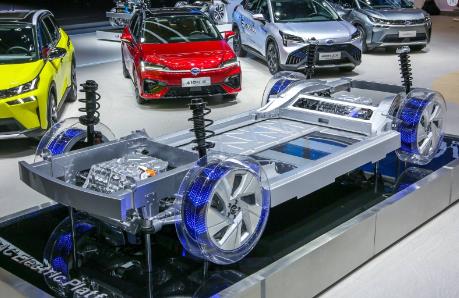
With the increasing focus on environmental protection and sustainable development in society, new energy vehicles have become an important choice to replace traditional fuel-powered cars, gradually becoming a hot topic in the automotive industry. Within the core technology of new energy vehicles, the RV reducer plays a crucial role, providing an efficient and reliable power transmission system for electric vehicles. This article will explore the application of the RV reducer in the field of new energy vehicles and its impact on the entire industry.

Firstly, one of the main roles of the RV reducer in electric vehicles is to match the power output of the electric motor with the wheels. Due to the characteristics of electric motors, their output speed is typically high, while the wheels require an appropriate speed to provide optimal driving performance. The RV reducer effectively transforms the high-speed, low-torque output of the electric motor into power suitable for the vehicle by reducing the motor speed and increasing torque.
 

Secondly, the RV reducer plays a crucial role in improving the energy efficiency of new energy vehicles. Through the appropriate reduction ratio, the RV reducer can optimize the overall energy utilization of electric vehicles, enhancing the battery's range. This is significant for user experience and the market competitiveness of electric vehicles. An efficient RV reducer system helps reduce energy waste, making electric vehicles more attractive.
 

Furthermore, the design and manufacturing level of the RV reducer directly affect the performance and reliability of new energy vehicles. An excellent RV reducer system not only provides efficient power transmission but also maintains stable performance under various conditions. This is crucial for the reliability of new energy vehicles in complex road conditions and extreme weather. Manufacturers need to continuously improve the design of the RV reducer to adapt to the evolving automotive technology and market demands.
 

It is worth noting that, with the rapid development of the new energy vehicle industry, RV reducer technology is continually innovating. The introduction of new materials and advanced manufacturing processes has significantly improved the RV reducer in terms of size, weight, and efficiency. This provides electric vehicles with a lighter, more efficient power transmission solution, further driving the development of new energy vehicles.
 

In summary, the application of the RV reducer in the field of new energy vehicles has profound effects on the entire industry. As one of the core components of electric vehicles, the RV reducer not only plays a critical role in improving power transmission efficiency but also, through enhanced energy utilization and reliability, propels continuous innovation and development in new energy vehicles. With ongoing technological advancements and market demands, the RV reducer is expected to bring more breakthroughs and innovations to the development of new energy vehicles in the future.

Wednesday, January 10, 2024

Specifications of Reducers in Robotic Arms


In the realm of robotics, the efficiency and precision of robotic arms are often contingent on the performance of their internal components. Among these, reducers play a pivotal role in optimizing motion control, torque transmission, and overall functionality. This article delves into the specific requirements and performance specifications that govern the selection and application of reducers within robotic arms.
 

1. Precision and Accuracy: Robotic arms are instrumental in executing intricate tasks that demand precision and accuracy. Reducers employed in these arms must exhibit minimal backlash, ensuring that the arm can move with precision, eliminate positional errors, and accurately follow programmed trajectories. Precision is paramount, particularly in applications such as manufacturing, assembly, and surgical procedures.
 

2. Torque Transmission Capability: The ability to transmit torque effectively is a cornerstone of reducer performance in robotic arms. In dynamic applications, such as lifting heavy objects or applying force, the reducer must efficiently transfer torque from the motor to the arm's end-effector. High torque transmission capability is essential for ensuring the robotic arm's capability to handle diverse tasks with varying force requirements.
 

3. Compact Design and Space Efficiency: Given the often constrained spaces in which robotic arms operate, reducers need to have a compact design without compromising performance. Space efficiency is crucial for the seamless integration of reducers within the mechanical structure of the robotic arm, allowing for optimal utilization of available space and facilitating a streamlined design.
 

4. Durability and Reliability: Robotic arms are deployed in a multitude of industries, each with unique operational demands. Reducers must be constructed from durable materials capable of withstanding repeated use, varying loads, and challenging environmental conditions. Reliability is paramount, as robotic arms are expected to perform consistently without unplanned downtime.
 

5. Speed Control and Efficiency: Efficient speed control is imperative for the diverse motions required in robotics. Reducers should enable precise speed adjustments to accommodate tasks ranging from rapid, high-speed movements to slow, controlled maneuvers. An efficient reducer contributes to the overall energy efficiency of the robotic arm, optimizing power consumption and reducing operational costs.
 

6. Backlash Compensation: Backlash, or the clearance between gear teeth, can compromise the accuracy of robotic arm movements. Advanced reducers incorporate backlash compensation mechanisms to minimize any play within the system, ensuring that the arm responds promptly to commands and maintains the desired level of accuracy.
 

7. Environmental Adaptability: Robotic arms often operate in varied environments, including manufacturing floors, medical settings, and hazardous environments. Reducers should be designed to withstand environmental challenges such as temperature variations, humidity, and exposure to corrosive substances. This adaptability enhances the versatility and applicability of robotic arms across different industries.
 

8. Maintenance and Longevity: Reducing the need for frequent maintenance is a key consideration in the design of reducers for robotic arms. Components should be engineered for longevity, minimizing wear and tear to extend the operational lifespan of the robotic arm. This enhances the overall cost-effectiveness of robotic systems.
 

In conclusion, the requirements and performance specifications of reducers in robotic arms are integral to the success of these versatile machines. Precision, torque transmission, compact design, durability, speed control, backlash compensation, environmental adaptability, and maintenance considerations collectively contribute to the optimal functioning of robotic arms across diverse applications. As advancements in robotics continue, the evolution of reducers will play a critical role in shaping the capabilities and efficiency of future robotic systems.

Tuesday, January 9, 2024

Maintenance Procedures and Precautions for RV Reducers

 Rv reducers play a crucial role in various industrial applications, providing torque multiplication and speed reduction. To ensure optimal performance and longevity, it is essential to implement regular maintenance practices. This report outlines the daily maintenance steps and precautions for Rv reducers, focusing on key aspects to maximize their efficiency and lifespan.

I. Daily Maintenance Procedures

1. Visual Inspection:

Conduct a thorough visual inspection of the entire gear reducer system. Check for any signs of leaks, corrosion, or abnormal wear on the housing and components. Inspect seals, gaskets, and bolts for tightness.

2. Lubrication Check:

Verify the lubrication levels in the gear reducer. Adequate lubrication is crucial for minimizing friction and wear. Ensure that the lubricant meets the manufacturer's specifications and top up if necessary. Pay attention to the color and consistency of the lubricant.

3. Temperature Monitoring:

Utilize temperature sensors to monitor the operating temperature of the gear reducer. Elevated temperatures may indicate issues such as overloading or insufficient lubrication. Address any abnormalities promptly to prevent damage.

4. Noise Analysis:

Listen for any unusual sounds during operation. Unusual noises may suggest misalignment, gear damage, or other issues. Investigate and resolve the source of the noise to prevent further damage.

5. Vibration Analysis:

Employ vibration analysis tools to detect abnormal vibrations. Excessive vibrations can indicate misalignment, unbalanced loads, or worn components. Address vibration issues promptly to prevent premature failure.

6. Bearing Inspection:

Check the condition of bearings regularly. Inspect for wear, pitting, or any signs of distress. Replace bearings as needed, and ensure proper preload to maintain optimal gear reducer performance.

7. Seal Integrity:

Inspect seals for any signs of damage or leakage. Damaged seals can lead to lubricant loss and contamination. Replace seals if necessary to maintain the integrity of the gear reducer enclosure.

II. Precautions for Daily Maintenance

1. Safety First:

Prioritize safety when conducting maintenance activities. Follow lockout/tagout procedures, and ensure that the gear reducer is de-energized before starting any maintenance tasks.

2. Manufacturer Guidelines:

Adhere to the manufacturer's guidelines and recommendations for maintenance practices. Consult the gear reducer's manual for specific lubrication intervals, torque specifications, and other relevant information.

3. Proactive Problem Solving:

Address identified issues promptly. Proactive problem-solving prevents minor concerns from escalating into major problems, minimizing downtime and extending the lifespan of the gear reducer.

4. Training and Documentation:

Ensure that maintenance personnel are adequately trained on gear reducer maintenance procedures. Keep detailed records of maintenance activities, including lubrication schedules, replacements, and inspections.

5. Environmental Considerations:

Consider the operating environment of the gear reducer. Harsh conditions, such as extreme temperatures or exposure to contaminants, may require more frequent maintenance. Adapt maintenance practices accordingly.

6. Regular Training and Updates:

Stay informed about advancements in gear reducer technology and maintenance practices. Regular training sessions for maintenance personnel ensure that they are equipped with the latest knowledge and skills.


In conclusion, the daily maintenance of Rv reducers is integral to ensuring their optimal performance, preventing unexpected failures, and extending their operational life. Through a comprehensive visual inspection, lubrication checks, temperature monitoring, and proactive troubleshooting, maintenance personnel can identify and address issues promptly. Adhering to safety protocols, following manufacturer guidelines, and staying proactive in maintenance efforts contribute to the reliability and efficiency of Rv reducers in industrial applications. Regular training and documentation further enhance the effectiveness of daily maintenance practices, ultimately maximizing the return on investment for gear reducer systems.

Wednesday, January 3, 2024

RV Reducers: Precision and Efficiency in Industrial Applications

 RV reducers are common industrial devices used in various application fields. These high-precision, high-efficiency transmission devices find extensive use in mechanical manufacturing, automation, robotics, aerospace, and other industries. In industry, RV reducers have numerous common applications.


Mechanical Manufacturing: RV reducers are frequently employed in mechanical manufacturing. By using RV reducers, the high-speed rotational power source can be decelerated to the required speed, enabling precise control and operation. In the process of mechanical manufacturing, many machines require deceleration according to specific requirements, and RV reducers offer high-precision and high-efficiency deceleration effects to meet diverse manufacturing needs.


Automation: The application of RV reducers in the field of automation is widespread. Many processes in automated production lines require precise control and positioning, and RV reducers provide reliable deceleration effects, ensuring machines operate along predefined paths and rhythms. Whether in automotive manufacturing, electronics production, or food processing, RV reducers can provide the precise control needed for automated equipment.


Robotics: Robotics is another common application area for RV reducers. With the increasing use of robots in manufacturing, warehousing, and logistics, the motion systems of robots often require precise speed and deceleration control. The high precision, torque transmission, and compact structure of RV reducers make them an ideal choice for robot motion systems.


Aerospace: RV reducers also have extensive applications in the aerospace industry. In the navigation, positioning, and control systems of spacecraft and aircraft, transmission devices must possess high precision and reliability to ensure stable operation in demanding environments. The accuracy and high torsional stiffness of RV reducers make them one of the ideal choices in the aerospace industry.


In summary, RV reducers have many common applications in industry. In fields such as mechanical manufacturing, automation, robotics, and aerospace, the high precision, efficiency, and reliability of RV reducers make them ideal transmission devices. As technology continues to advance, the application scope of RV reducers is expected to further expand.

Principle and application of reducer

 Gear reducers are commonly used engineering transmission devices that function by reducing the speed of a motor and increasing the output torque to achieve the deceleration of mechanical equipment. The principle of gear reducers can be summarized as transferring the high-speed rotation of a motor to the input shaft of the gear reducer, then reducing the speed through the gear transmission principle, and finally outputting it to the mechanical equipment. This transmission method makes gear reducers widely applicable to devices with high-speed drive requirements.


Application Fields:

  1. Production Line Equipment: In production lines, rv reducers are often used to drive mechanical equipment such as conveyor belts. By employing a gear reducer, the high-speed rotational power of the motor is transformed into a low-speed motion suitable for transporting items, ensuring that goods remain undamaged during the conveying process.

  2. Mechanical Engineering: Large machinery such as cranes and concrete mixers often requires greater torque to handle heavier objects or materials. Gear reducers meet these demands by reducing speed and increasing torque.

  3. Automotive Industry: In automobiles, gear reducers are used to transmit horsepower to the wheels, propelling the vehicle forward. By decreasing the rotational speed of the horsepower, gear reducers not only provide sufficient power to drive the car but also enhance fuel efficiency.

  4. Other Fields: Gear reducers find widespread applications in various fields, including elevators, amusement park rides, and wind turbines. Whether in industrial production, mechanical engineering, or the automotive industry, gear reducers play a crucial role, significantly enhancing the performance of mechanical equipment.


Working Principles:

The working principle of gear reducers is based on gear transmission, where different-sized gears combine to adjust speed and torque. When the motor drives the input shaft to rotate at high speed, the intermeshing of gears gradually reduces the speed while increasing the torque on the output shaft, achieving the desired deceleration effect.

In conclusion, rv reducers are vital engineering transmission devices. Their efficient deceleration drive, widespread applications, and reliable working principles make gear reducers an indispensable component in industrial production and mechanical engineering.

Micro Cycloid Reducers: The Key to Modern Industrial Precision

  In the fast-paced evolution of modern industry, precision and efficiency are paramount. Micro cycloid reducers have emerged as a critical ...